By 2026, Call of Duty: Mobile had passed through many seasonal eras, yet the memory of Season 6: To the Skies still cuts across the sky like an afterburner. The update went live on June 29, 2022, and it placed the Jackal fighter jet directly into Battle Royale’s Isolated map. For a squad of Operators navigating that older battlefield, the Jackal was not merely a vehicle. It was a promise of speed, a threat from above, and a machine that could turn a routine rotation into a dogfight.
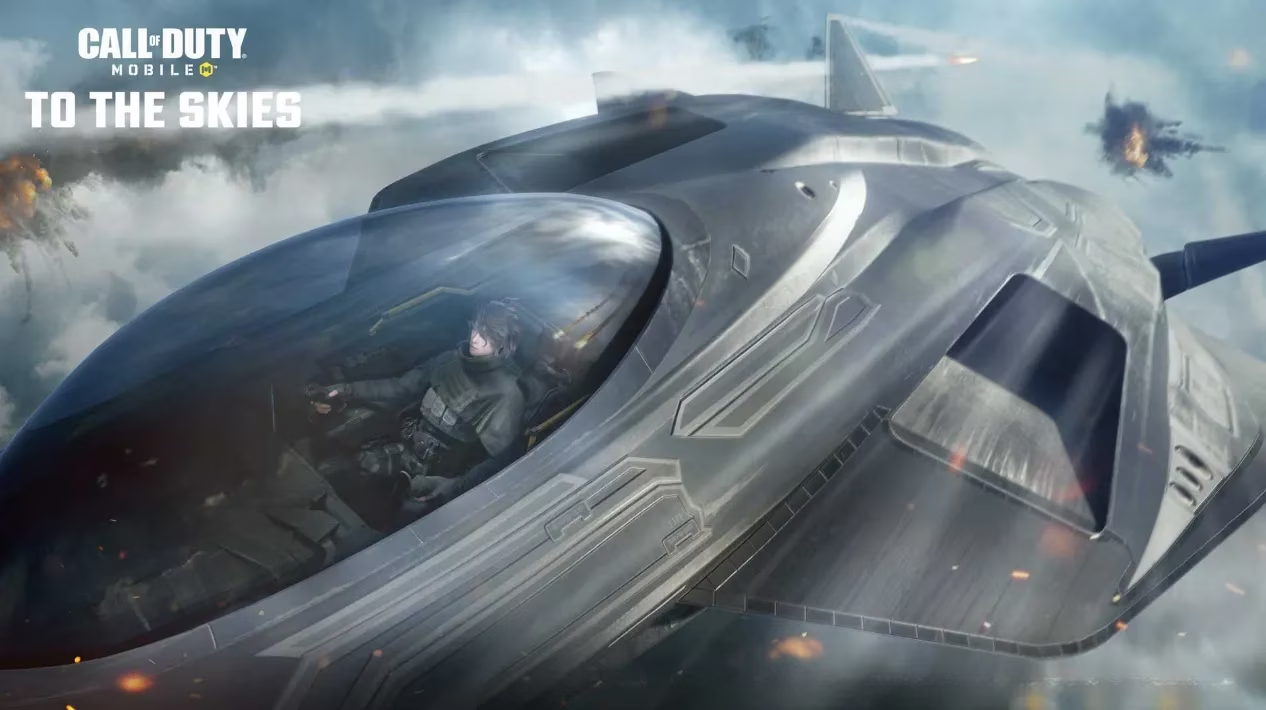
The first task for any would-be pilot was finding a Jackal before an enemy squad did. When Operators deployed into Isolated, the map displayed a new jet icon that marked each available aircraft. Every Jackal sat parked on a landing strip, and a waypoint near one of those strips became the natural first move. The catch was simple: only a few jets existed in each match. A squad could expect competition, and the sprint toward a landing strip often became a small battle before the real flight even began.
Each Jackal carried two Operators. The pilot controlled the aircraft and its weapons, while the passenger rode along with limited options and a parachute as a final resort. The pilot’s HUD marked other aircraft and vehicles, turning the sky into a network of targets and threats. The automatic cannon fired explosive rounds and could punish aerial and ground enemies alike. Missiles offered heavier firepower against aircraft and vehicles, though they were limited and required a brief cooldown. Flares answered enemy missile attacks, buying precious seconds during a hair-raising dogfight. The accelerator rewarded commitment: the longer the pilot held it, the faster the Jackal flew. Brakes and landing gear allowed safer passes over high-priority targets, and holding the brakes released the landing gear for a controlled touchdown.
| Control | Purpose |
|---|---|
| Automatic Cannon | Fires explosive rounds at aerial and ground threats |
| Missiles | Targets enemy aircraft and vehicles with limited ammunition |
| Flares | Shakes off enemy missile attacks during dogfights |
| Accelerator | Builds speed the longer it is pressed |
| Brakes / Landing Gear | Slows the Jackal and enables safe landings |
One memorable squad treated the Jackal as a flying taxi with teeth. The pilot kept the jet steady at first, circling high above the map to learn its steering and throttle. That patience paid off when the squad dropped toward a High Tier Loot Zone, stocked up, and then lifted off for the next cluster of buildings. The Jackal’s speed made looting runs feel reckless in the best way. A second trip became a third, and the squad’s confidence grew with every safe landing.
Confidence, however, did not remove the danger. A rival pilot once locked onto them during a low pass over a ridge. The squad’s pilot popped flares, broke hard, and watched the missile trail vanish. The passenger, meanwhile, had already accepted that a good pilot was the difference between a story and a statistic. When the pilot later parachuted out during an explosive entry attempt, the passenger had to use the swap-seats icon with fast reflexes to regain control of the falling Jackal. That recovery became the squad’s favorite tale, mostly because it ended with the jet leveling out instead of becoming a crater.
The season also gave the Jackal a narrative beyond the cockpit. Legendary Operator Alias — Roboticist needed fuel for her Jackal, and the Jackal: Fueled Up event asked players to earn fuel by completing tasks in Multiplayer and Battle Royale matches. The more fuel delivered, the quicker her missions could progress. The event page became a natural stop between flying missions, rewarding contribution while the broader Season 6 update introduced a new Battle Pass and brought Favela to Multiplayer.
Looking back from 2026, the Jackal’s debut offers a compact set of flying lessons. First, steady practice matters: high-altitude loops build control before combat. Second, the jet is a rapid looting tool, especially when a squad sets waypoints toward High Tier Loot Zones. Third, an explosive entry can break enemy formations when a pilot ejects and lets the Jackal detonate on the ground. Fourth, passengers should know the swap-seats icon in case a pilot leaves them in a falling aircraft. Fifth, persistence pays. A pilot’s first, second, or fifth flight may end in fire, but each hour in the air builds the skill that makes the next mission possible.
Season 6: To the Skies has long since become part of Call of Duty: Mobile’s history, but the Jackal remains a vivid example of how a single vehicle can reshape Battle Royale’s rhythm. It turned the Isolated map into a place where landing strips mattered, where the sky held ambushes, and where a squad’s best escape route sometimes came with missiles and flares.